
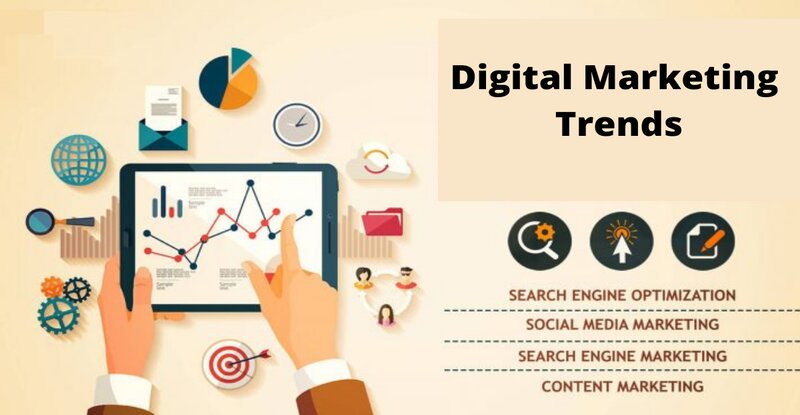
The digital landscape evolves at lightning speed, and staying ahead requires constant vigilance. Digital Marketing Trends offer invaluable insight into emerging strategies, technologies, and behaviors that shape how brands connect with audiences. From AI-powered personalization to immersive content experiences, these trends provide opportunities for businesses to engage customers more effectively, increase conversions, and maintain a competitive edge. Understanding the forces shaping modern marketing allows brands to anticipate change rather than react to it, fostering growth in a dynamic environment.
The Rise of Artificial Intelligence
Artificial intelligence is transforming every facet of digital marketing. From predictive analytics to chatbots, AI enables brands to understand consumer behavior at an unprecedented depth. Machine learning algorithms can analyze large datasets to identify patterns, forecast trends, and deliver highly targeted messaging. AI-powered tools also enhance personalization, offering product recommendations, content suggestions, and automated customer support that adapts in real time. Embracing AI allows marketers to optimize campaigns efficiently and make data-driven decisions with remarkable accuracy.
Short-Form Video Dominance
Short-form video has rapidly become a staple of digital engagement. Platforms that prioritize brief, digestible content capture attention quickly and encourage sharing. Stories, reels, and snappy tutorials offer opportunities for brands to communicate key messages in creative, visually compelling ways. With attention spans decreasing, short-form video is a powerful medium for delivering content that resonates. This trend emphasizes authenticity, immediacy, and entertainment, providing a dynamic channel for both awareness and conversion.
Voice Search Optimization
As smart speakers and voice assistants proliferate, optimizing content for voice search is increasingly critical. Voice queries are conversational, often longer, and more specific than traditional text searches. Brands that adapt their content to answer these queries efficiently gain visibility in a growing segment of search behavior. Structured content, FAQs, and natural language keywords are essential for capturing voice-driven traffic. This trend underscores the importance of anticipating how audiences interact with technology beyond the keyboard.
Hyper-Personalization
Consumers increasingly expect experiences tailored to their individual needs. Hyper-personalization leverages data from browsing history, purchase behavior, and demographic profiles to deliver relevant messaging across channels. From personalized emails to dynamic website content, customization enhances engagement and loyalty. Brands that can anticipate user preferences and provide meaningful, timely interactions will build deeper connections, driving both short-term conversions and long-term retention.
Interactive and Immersive Content
Engagement no longer relies solely on static content. Interactive experiences such as quizzes, polls, augmented reality features, and 360-degree visuals create memorable interactions. These formats encourage users to participate actively, fostering emotional investment and prolonged attention. Immersive content not only captivates audiences but also differentiates brands in crowded markets. As attention becomes a scarce resource, the ability to provide engaging experiences becomes a decisive factor in marketing effectiveness.
Privacy-First Marketing
Privacy concerns are reshaping how data is collected and used. Regulations such as GDPR and CCPA have increased consumer awareness and demand for transparency. Brands must adopt privacy-first strategies, clearly communicating data usage and giving users control over their information. This trend encourages ethical marketing practices while building trust. Companies that respect privacy and leverage first-party data responsibly will gain credibility and maintain long-term audience relationships.
Omnichannel Integration
Customers now interact with brands across multiple touchpoints, from social media to email, websites, and mobile apps. Omnichannel marketing ensures a cohesive, consistent experience across these channels. Integration enables marketers to track behavior, tailor messaging, and maintain continuity in customer journeys. This trend highlights the importance of seamless connectivity, where every interaction reinforces the brand and guides audiences toward conversion.
AI-Enhanced Content Creation
Content creation is being transformed by AI-powered tools that assist in drafting, optimizing, and editing materials. From generating blog posts to suggesting headlines and social media captions, AI streamlines creative processes. While human oversight remains essential, these tools accelerate production and enhance quality. Marketers can focus more on strategy and ideation, leaving repetitive or data-driven content tasks to AI, ultimately increasing efficiency and consistency.
Social Commerce Expansion
The integration of e-commerce and social media is redefining shopping experiences. Platforms now allow users to purchase directly through social apps, reducing friction and creating a seamless journey from discovery to purchase. Social commerce leverages peer recommendations, influencer partnerships, and interactive content to drive engagement and sales. This trend emphasizes the convergence of entertainment, social interaction, and commerce, providing brands with new avenues for revenue generation.
Sustainability and Purpose-Driven Marketing
Consumers increasingly prioritize sustainability and social responsibility. Brands that demonstrate genuine commitment to environmental and social initiatives resonate more deeply with audiences. Storytelling around purpose, ethical practices, and community impact enhances brand perception and loyalty. This trend illustrates that digital marketing is not just about visibility but also about aligning with values that matter to modern consumers.
Keeping pace with digital marketing trends ensures brands remain relevant, competitive, and capable of capturing audience attention. Artificial intelligence, short-form video, voice search, hyper-personalization, immersive content, privacy-first strategies, omnichannel integration, AI-enhanced content, social commerce, and purpose-driven marketing each represent powerful forces shaping the future. By embracing these digital marketing trends, businesses can craft strategies that engage audiences effectively, drive conversions, and foster long-term growth in an ever-evolving digital ecosystem.



More Stories
Unlocking Growth: The Ultimate Marketing Strategy Blueprint for 2024
Unlocking the Hidden Potential: Creative Strategies to Make Your Digital Ads Go Viral
Unlocking the Hidden Power of Online Marketing: Strategies That Work in 2024