
In a crowded digital space, a Creative Layout Website is essential for capturing attention, engaging visitors, and communicating brand identity effectively. Layouts are more than aesthetic choices; they guide the user journey, highlight key content, and enhance usability. Strategic design decisions can transform a website from a standard interface into a dynamic, memorable experience that resonates with audiences.
Establish a Clear Visual Hierarchy
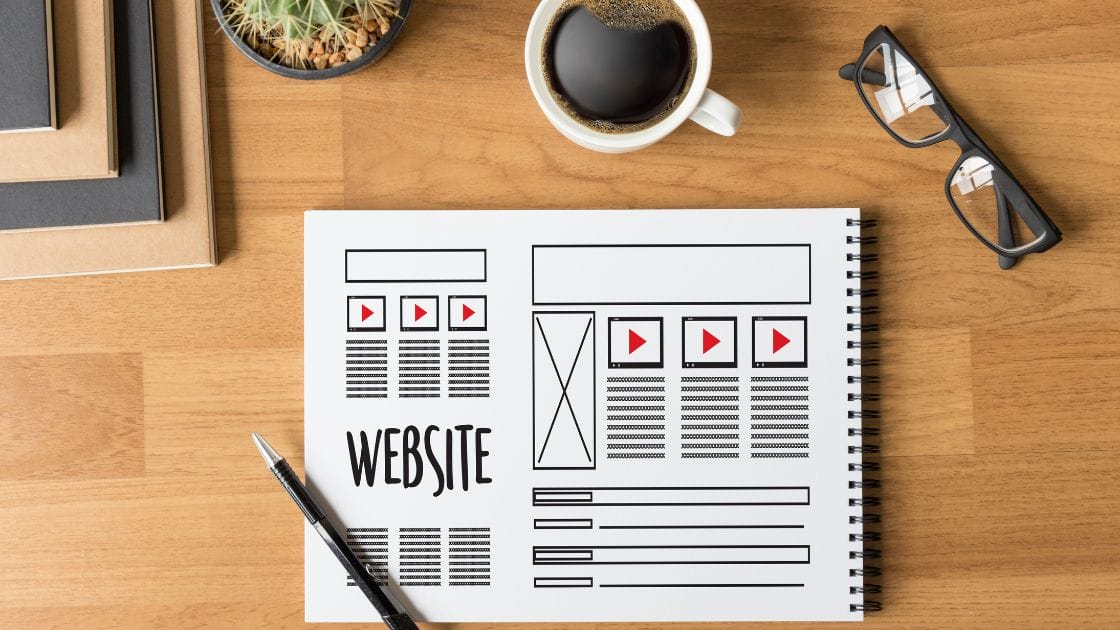
Visual hierarchy is the backbone of an effective layout. Prioritizing content through size, color, contrast, and positioning directs user attention intuitively. Headlines, calls-to-action, and featured content should stand out, while secondary information remains accessible without overwhelming the page. A well-structured hierarchy ensures visitors understand the flow of information and can navigate efficiently.
Utilize Grid Systems
Grid-based layouts provide structure while maintaining flexibility. By dividing content into rows and columns, designers can create balanced, organized pages that adapt to varying screen sizes. Grid systems simplify alignment, improve readability, and create a visually harmonious environment. Even in creative layouts, grids offer a subtle order that enhances both aesthetics and functionality.
Embrace White Space
White space, or negative space, is a powerful tool for clarity and focus. It separates elements, reduces visual clutter, and enhances readability. Proper use of white space allows important content to stand out, guiding visitors naturally through the site. It also contributes to a minimalist aesthetic, creating a sense of sophistication and professionalism.
Integrate Asymmetry
Asymmetrical layouts break conventional patterns, creating dynamic and visually engaging designs. Intentional imbalance can draw attention to key elements and create a sense of movement. When applied thoughtfully, asymmetry maintains usability while offering a fresh, contemporary look that distinguishes the website from competitors.
Highlight Interactive Elements
Interactive features such as sliders, hover effects, and scroll-triggered animations enhance engagement. These elements make layouts feel alive, encouraging exploration without overwhelming the user. Interactivity can emphasize content, provide feedback, and guide behavior, transforming static pages into immersive experiences.
Combine Typography Creatively
Typography is both functional and expressive. Mixing typefaces, adjusting weights, and experimenting with scale can add personality and structure to layouts. Clear typographic hierarchy ensures readability while allowing headings, subheadings, and body text to complement each other. Creative typographic choices reinforce brand identity and make the website more visually appealing.
Implement Modular Design
Modular layouts use reusable components, allowing designers to create consistency across pages while maintaining flexibility. Cards, tiles, and content blocks can be rearranged or adapted for different contexts. Modular design supports scalability, making it easier to update content, maintain visual coherence, and experiment with innovative layouts.
Optimize for Mobile and Responsive Design
Responsive layouts ensure that creative designs perform well on all devices. Mobile-first design prioritizes usability, touch-friendly navigation, and appropriately scaled content. Flexible grids, scalable images, and adaptive typography allow layouts to retain their visual appeal and functionality across screens. Mobile optimization is essential for accessibility and user satisfaction.
Leverage Visual Storytelling
Layouts can guide users through a narrative, highlighting key messages sequentially. Using images, graphics, and text strategically creates a visual flow that tells a story. Story-driven layouts engage visitors emotionally, increasing time on site, fostering connection, and encouraging interaction with content or calls-to-action.
Balance Creativity with Usability
While creativity is important, usability must remain a priority. Navigation should remain intuitive, important information should be accessible, and interactive elements should enhance rather than hinder the experience. Striking the balance between imaginative design and practical functionality ensures that layouts delight without frustrating visitors.
Incorporate Multimedia Strategically
Images, videos, and animations add richness to layouts, but overuse can overwhelm users. Strategic placement of multimedia supports storytelling, emphasizes important content, and maintains engagement. Optimized media also ensures fast loading times, preventing performance issues that could undermine the user experience.
Test Layout Performance
Continuous testing ensures that creative layouts achieve intended outcomes. Heatmaps, user session recordings, and A/B testing provide insights into navigation patterns, engagement hotspots, and potential friction points. Iterative testing allows designers to refine layouts based on real user behavior, ensuring both creativity and effectiveness.
Maintain Consistent Branding
Layouts should reflect brand identity consistently through color schemes, typography, iconography, and imagery. Cohesive visual language strengthens recognition, builds trust, and creates a unified experience across all pages. A creative layout that aligns with branding reinforces credibility while enhancing aesthetic appeal.
Creative layout ideas powered by website tips combine artistry with strategy to craft engaging, functional, and memorable digital experiences. By prioritizing visual hierarchy, grid systems, white space, and responsive design, websites can guide users intuitively while maintaining aesthetic appeal. Interactive elements, modular design, multimedia, and typographic creativity further enrich layouts, supporting storytelling and engagement. When executed thoughtfully, these techniques transform a website into a dynamic platform that captivates visitors, strengthens brand identity, and drives meaningful interaction.




More Stories
Online Impact Maximized Through Website Tips
Better Performance Starts with Website Tips
Modern Aesthetics Enhanced with Website Tips