
The digital era is transforming the way we interact with our surroundings. Smarter Living Tech represents the fusion of innovation and everyday convenience, designed to enhance lifestyles, streamline routines, and elevate human experiences. From intelligent home systems to wearable devices that anticipate needs, these trends reveal a future where technology works seamlessly with our habits and preferences.
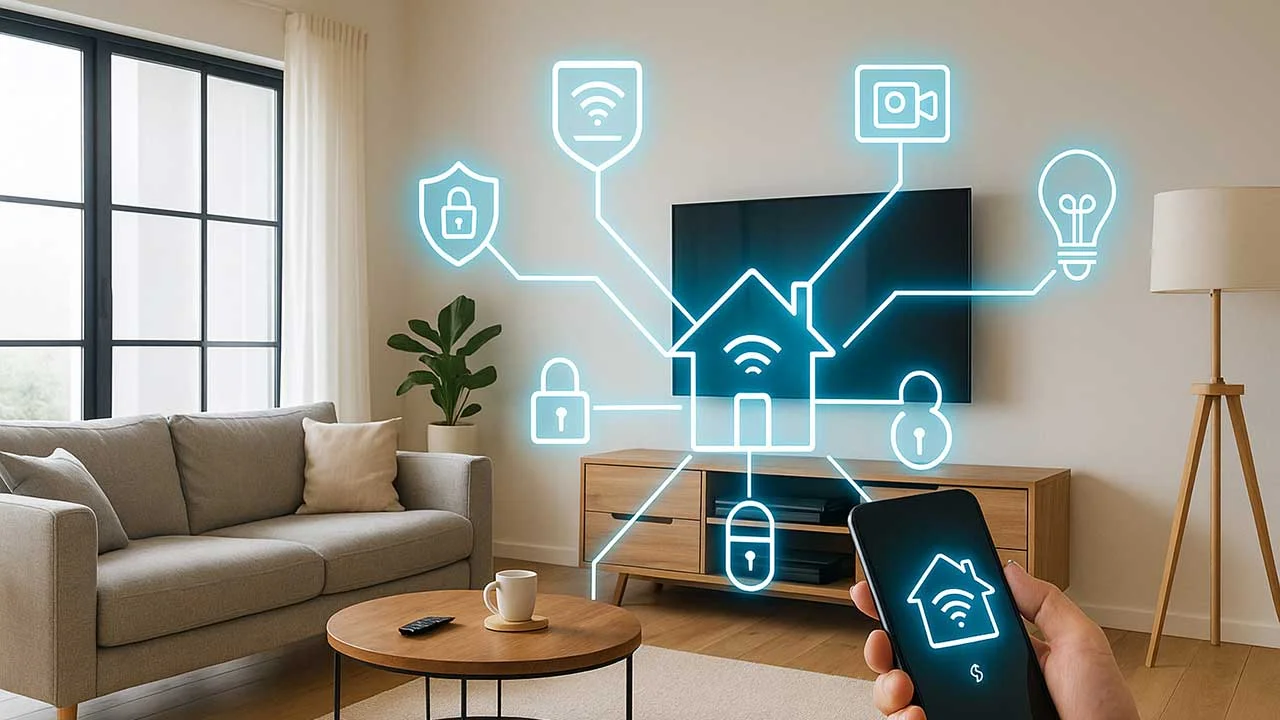
Intelligent Homes for Effortless Living
Smart home technology has moved far beyond basic automation. Intelligent thermostats, lighting systems, and security networks now adapt to behavioral patterns, optimizing energy use while maintaining comfort. Voice-activated assistants integrate with these systems to provide personalized suggestions, control entertainment, and even manage grocery lists.
By leveraging predictive algorithms, these homes anticipate occupant needs, reducing effort and maximizing efficiency. Residents benefit from environments that adjust dynamically, creating a sense of ease and enhancing daily productivity.
Wearables and Personalized Health
Wearable devices have evolved from step trackers to comprehensive health management tools. Smartwatches and bio-monitors now track sleep quality, stress levels, and cardiac rhythms. Some devices even offer real-time insights into hydration and nutrient levels, providing actionable data to optimize wellness.
This convergence of data collection and analysis empowers users to make informed lifestyle choices. Personalized alerts and adaptive recommendations bridge the gap between awareness and action, enabling proactive care rather than reactive solutions.
AI-Driven Assistance
Artificial intelligence underpins much of the smarter living revolution. Beyond voice commands, AI now interprets behavioral trends to provide tailored suggestions, anticipate scheduling conflicts, and even recommend leisure activities aligned with personal preferences. These systems reduce cognitive load, freeing users to focus on higher-value tasks.
AI-driven platforms also extend into financial management, offering spending insights, investment guidance, and fraud detection. This intelligent support reshapes decision-making, enhancing both convenience and security.
Connected Transportation
Transportation is experiencing a shift toward smarter integration. Autonomous navigation systems, real-time traffic prediction, and vehicle-to-vehicle communication contribute to safer and more efficient commutes. Electric mobility platforms also offer adaptive route planning, optimizing energy consumption while reducing environmental impact.
By combining connectivity with predictive analytics, these innovations transform daily travel into a coordinated, stress-free experience, aligning convenience with sustainability.
Augmented Reality in Daily Life
Augmented reality (AR) extends digital information into physical spaces, enabling practical and immersive applications. From real-time home improvement visualizations to AR-guided shopping experiences, this technology enriches decision-making and engagement.
Interactive overlays allow users to explore spatial data, compare options, and anticipate outcomes before committing to action. This layer of contextual intelligence supports smarter choices in both personal and professional contexts.
Energy and Sustainability Tech
Smarter living is inherently linked to sustainable practices. Solar panels integrated with energy management software, smart grids, and AI-monitored consumption enable efficient resource allocation. These systems predict energy needs, distribute surplus intelligently, and alert users to inefficiencies.
Beyond energy, water management devices, waste reduction sensors, and adaptive climate control contribute to eco-conscious lifestyles. Residents gain not only cost savings but also measurable impact on environmental sustainability.
Cognitive Home Security
Security systems now blend AI, IoT, and behavioral analytics to deliver adaptive protection. Cameras, motion detectors, and smart locks collaborate with AI to differentiate between expected and unusual activity. Alerts are prioritized, ensuring rapid response without overwhelming users with unnecessary notifications.
This cognitive approach enhances both safety and peace of mind, allowing inhabitants to live confidently in connected environments.
Adaptive Learning and Productivity Tools
Smarter living extends into personal development. AI-driven learning platforms adapt to user progress, recommending resources, exercises, and challenges tailored to skill levels. Productivity applications anticipate workflow patterns, automate repetitive tasks, and suggest optimization strategies.
These tools create a feedback-rich environment where learning and productivity evolve continuously, supporting growth in professional and personal spheres.
Seamless Integration for Effortless Lifestyle
The true power of Smarter Living Tech lies in interoperability. Devices, platforms, and services now communicate across ecosystems, offering unified experiences. Whether managing a home, personal health, or professional tasks, integrated systems reduce friction, synchronize routines, and provide centralized insights.
This holistic connectivity allows individuals to orchestrate multiple facets of life with minimal effort, creating a harmony between technology and human intention.
Smarter Living Tech is redefining the boundaries of convenience, efficiency, and personalization. By integrating intelligent homes, wearable health monitors, AI assistance, connected transportation, and sustainable innovations, daily life becomes more intuitive and adaptive. As these technologies continue to evolve, they empower individuals to make informed choices, enhance well-being, and embrace lifestyles that are both productive and fulfilling. In essence, smarter living is no longer a futuristic ideal—it is an attainable reality powered by innovation and insight.




More Stories
Tech Trends Breaking Old Rules
Smart Brands Thrive with Tech Trends
Tech Trends That Inspire New Ideas